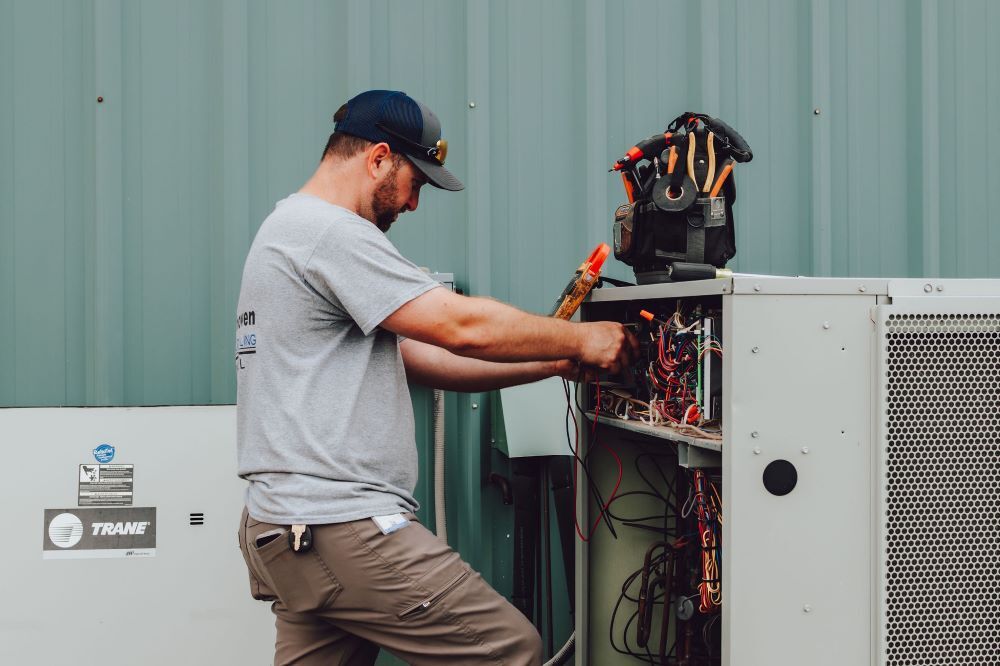
Planning a Resilient Indoor Climate Strategy for Homes and Light Commercial Spaces
Starting with clear goals helps you scope the indoor climate outcomes you want across seasons. Define comfort ranges, humidity targets, and energy priorities first, then assess building age, envelope tightness, and occupancy patterns. This upfront clarity narrows choices among HVAC options like Heating Installation and Repair, AC Installation and Repair, and Ductless AC, while avoiding mismatches that cause noise, short cycling, or poor air distribution down the line.
Meanwhile, it pays to verify existing equipment capacity and duct layout before imagining upgrades. Document model numbers, filter sizes, and any hot or cold zones. A quick return-air check and room-by-room supply review reveal pressure imbalances. When you validate these basics, you can refine airflow goals and decide whether Air Duct Replacement and Repair or simple sealing and balancing will deliver the best return without unnecessary disruption.
However, many buildings benefit from staging improvements rather than tackling everything at once. Phase work to stabilize safety and reliability first, then pursue efficiency and comfort. For example, stabilize heating performance before committing to advanced Indoor Air Quality add-ons. This approach buffers budgets and eases downtime, while allowing you to calibrate controls and confirm that each step delivers measurable gains.
Beyond that, load calculations matter more than rules of thumb. Use a reputable Manual J–style approach to align equipment size with envelope performance, solar gain, and infiltration. Oversizing can reduce dehumidification and increase cycling; undersizing risks failure during peaks. When you sequence upgrades, consider insulation and air sealing before installing new systems so final capacity aligns with the improved shell.
In practice, duct strategy determines a large share of comfort outcomes. Inspect trunk lines and branches for kinks, crushed sections, and unsealed joints. If you identify chronic rooms, pursue air duct repair to restore balanced flow. Then validate with static pressure readings, not just temperature checks. Good duct performance reduces blower strain, improves filtration, and lowers sound levels at the grille.
Often, homes with additions or varied occupancy benefit from zoned controls or a hybrid approach. Pairing a central system with Ductless AC in remote areas can reduce rework and improve flexibility. When you document setpoints and occupancy schedules, smart thermostats can further refine delivery, keeping bedrooms and workspaces comfortable without over-conditioning seldom-used rooms.
Then, evaluate lifecycle planning, not just first cost. Compare serviceability, filter accessibility, and parts availability across equipment lines. Plan for maintenance windows, filter changes, coil cleaning, and drain inspections. If your cooling system is aging but the furnace is steady, consider ac repair to bridge a season while you scope a unified replacement path. This phased method smooths capital spikes and avoids rushed decisions.
Similarly, electrification and renewable-friendly choices deserve a careful look. Where utility rates and climate align, heat pump installation can provide efficient heating and cooling with modern controls. Validate cold-weather performance data and defrost strategies for your region, and confirm that your electrical panel can support the load. If you have geothermal potential, compare drilling access, yard constraints, and long-term efficiency benefits versus air-source options.
Finally, air quality planning should be integrated, not bolted on. Calibrate filtration to match your indoor activities and sensitivities, balancing pressure drop with fan capability. Consider dedicated ventilation to reduce pollutants and manage humidity. When you maintain filters, verify duct sealing, and keep coils clean, hvacfurnace repair needs may decline while comfort stays consistent through seasonal swings.
Ultimately, think of your project as a lifecycle system, not a one-time purchase. Sequence envelope tuning, right-sized equipment, and balanced air distribution; then validate results with simple measurements. Keep service records, establish a seasonal tune-up plan, and adjust controls as living patterns change. With careful planning and phased execution, you’ll preserve comfort, protect budgets, and extend system durability year after year.